 The Gambia, known as the "Smiling Coast of
Africa," is a melting pot of diverse ethnic groups, each contributing to the rich tapestry of
Gambian culture. With eight major ethnic groups and several smaller ones, The Gambia boasts a
vibrant cultural landscape shaped by centuries of interaction and cooperation among its people.
The Gambia, known as the "Smiling Coast of
Africa," is a melting pot of diverse ethnic groups, each contributing to the rich tapestry of
Gambian culture. With eight major ethnic groups and several smaller ones, The Gambia boasts a
vibrant cultural landscape shaped by centuries of interaction and cooperation among its people.
Among the major ethnic groups, the Mandinka,
Malinka, or Mandingo stand out as the largest, comprising nearly half of the population. Their
language is widely spoken across the country, reflecting their numerical preponderance and
significant role in shaping Gambian identity.
The Wolof, although the third-largest group,
wield considerable influence, particularly in urban areas like Banjul. With their cultural and
linguistic presence, some observers believe Wolof may one day become the lingua franca of The
Gambia, alongside Mandinka.
However, Gambian culture is not confined to
ethnic boundaries. Instead, it is characterized by a fusion of traditions, customs, and
practices shared among different groups. Islam, both a religion and a way of life, serves as a
unifying force, fostering a sense of common identity and national unity among Gambians.
Cultural fusion is evident in various aspects
of Gambian life, from language to social customs. The blending of English with local languages,
especially among the Aku ethnic group, reflects a creolization of language influenced by
centuries of intercultural exchange.
Moreover, Gambians' close cooperation and
harmonious relations transcend ethnic affiliations, with many feeling a stronger bond with
fellow Gambians than with members of their own ethnic group residing in neighbouring countries.
This sense of national identity underscores the cohesive and inclusive nature of Gambian
culture.
Each ethnic group contributes unique cultural
practices and traditions to the Gambian mosaic. For example, the Mandinka are renowned for their
griot tradition and music, while the Jola are known for their expertise in rice cultivation and
boat building. Similarly, the Fula are associated with cattle ownership, and the Serer with
fishing and boat building.
Despite these distinct cultural identities,
Gambian culture transcends ethnic boundaries, creating a shared national heritage that
celebrates diversity while fostering unity. Centuries of intermingling and intermarriage have
universalized tribal cultures, giving rise to a truly national culture with distinct
characteristics.
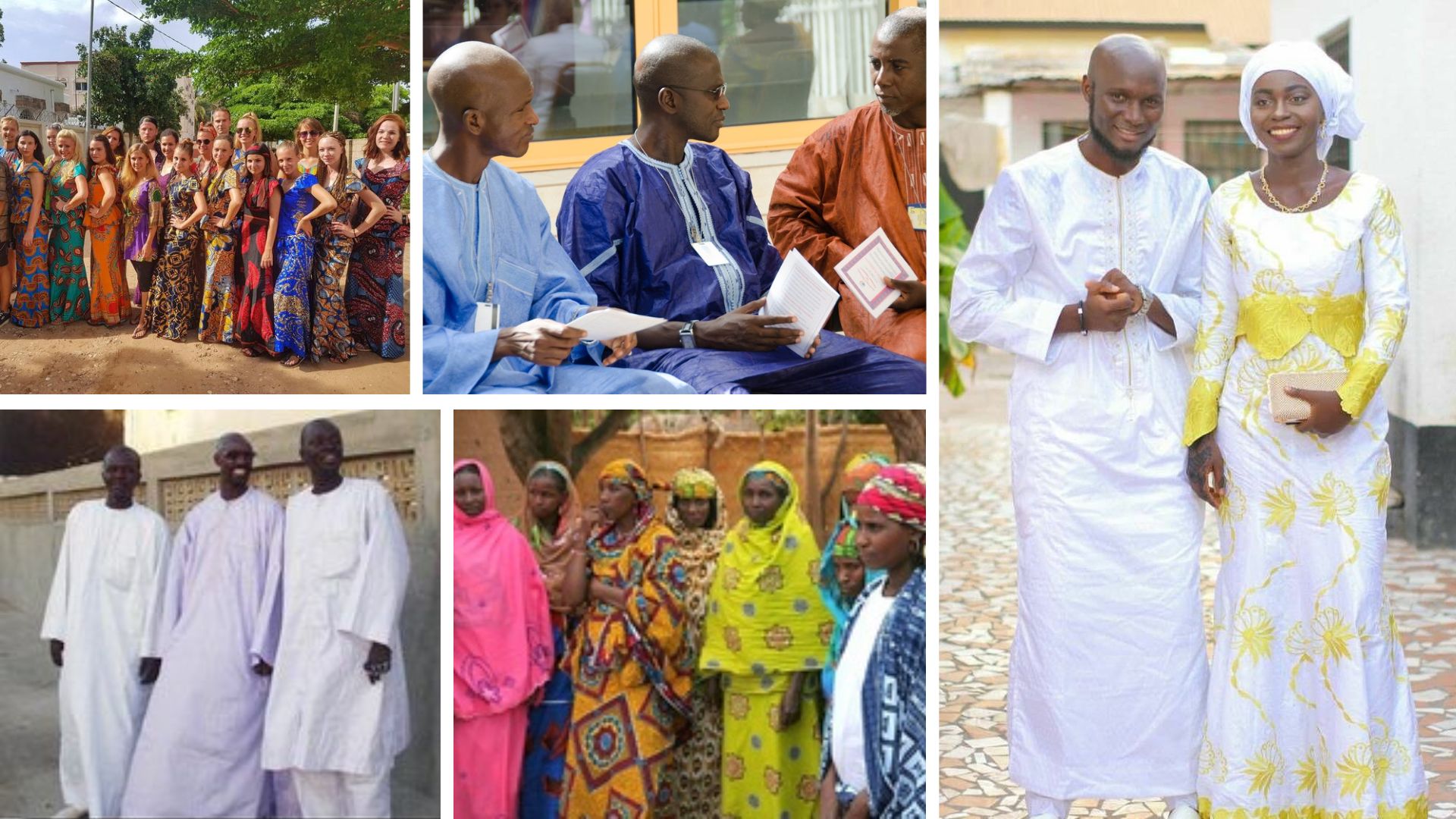
Gambia Clothing
In Gambia, clothing plays a significant role in reflecting cultural norms and values, especially in public settings. The dress code emphasizes modesty, particularly for women, in line with the predominantly Muslim population. While beach resorts allow for more relaxed attire such as bikinis, it's important to dress conservatively when out in public, covering up to the knees and elbows. Traditional Gambian clothing, such as the grandmuba for women and the Kaftan for men, is characterized by long, flowing garments adorned with vibrant colours and intricate designs. Men often wear the Kaftan, which is embroidered with elaborate gold-coloured thread, while women don traditional attire for special occasions like weddings. Additionally, hairstyles are considered an art form, with various styles and patterns incorporating beads and jewelry.
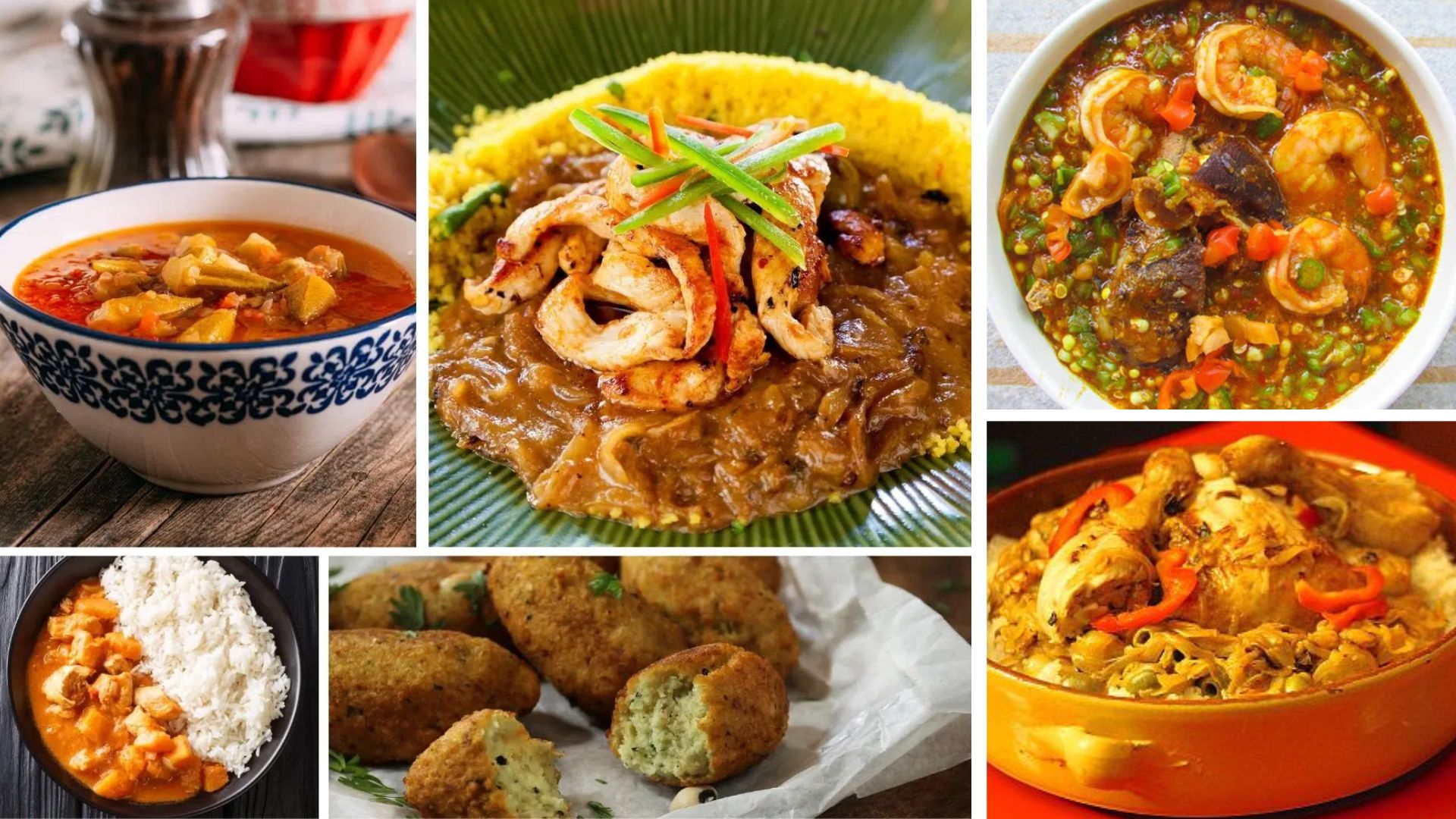
Gambia Food
Benachin:
Benachin is the most famous Gambian food. Everyone is familiar with this dish, and no event is
complete without Benachin. It is cooked for naming ceremonies, weddings, funerals, etc.
Yassa:
Yassa is a very simple dish that can be cooked with either chicken or fish. With chicken,
it is called Yassa Ganarr (Ganarr being the chicken) and with fish, it is called Yassa Jenn
(Jenn being the fish).
Nyambeh Nyebeh (Cassava and Beans):
Nyambeh Nyebeh literally means cassava and beans and is mostly eaten as dinner. Nyambeh Nyebeh
needs three different pots: one pot for the cassava, another for the beans, and another for the
stew.
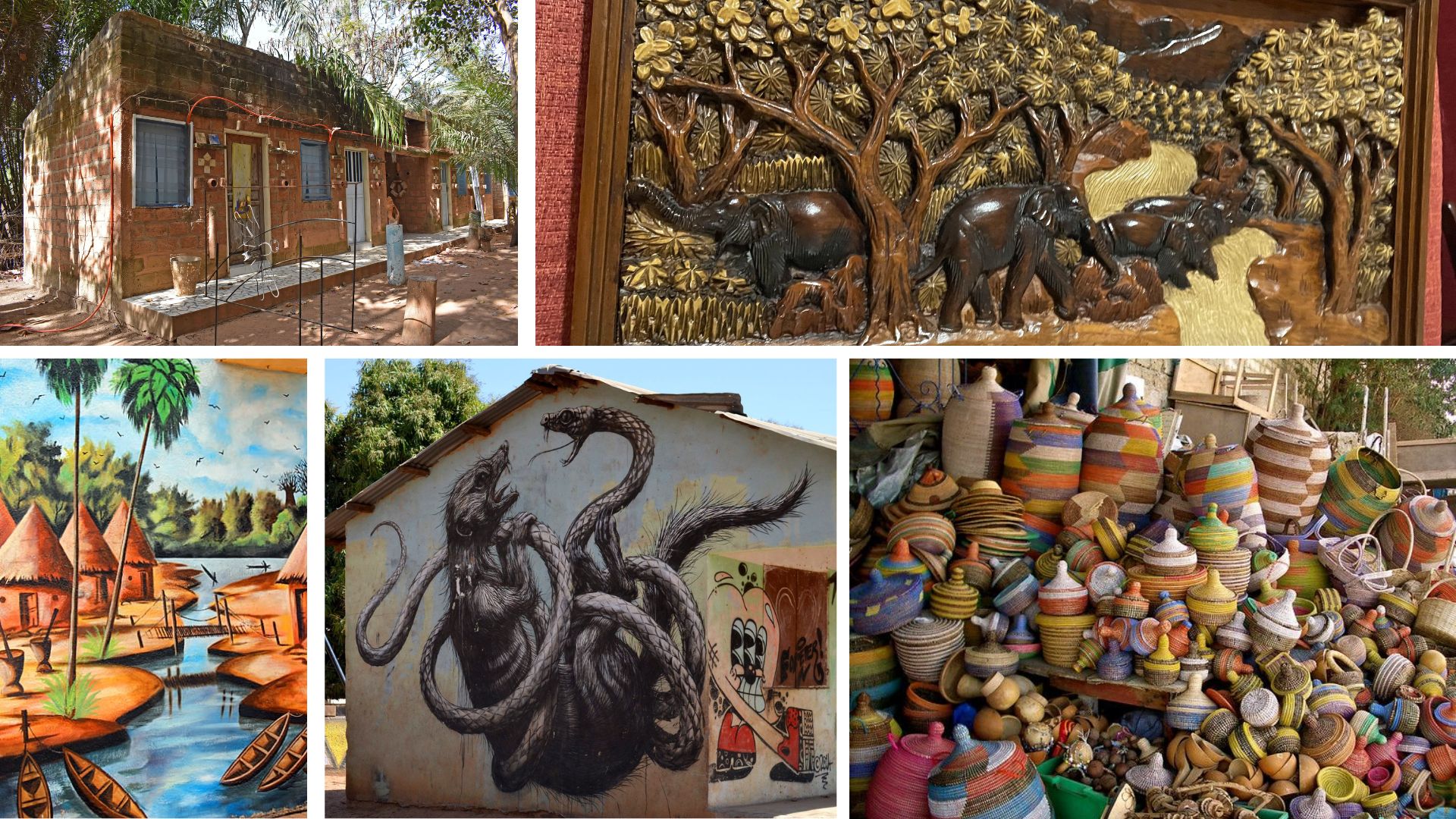
Gambia Arts and Crafts
Gambia's vibrant arts and crafts scene offers visitors a glimpse into the rich cultural heritage of the country. At local craft markets known as bengdulas, tourists can explore a variety of handcrafted items, including wood carvings, batiks, tie-dye fabrics, and basket ware. These markets showcase the talents of local artisans who often create intricate designs featuring tribal motifs, animals, and natural objects. Gambian tie-dye and batiks, in particular, are renowned for their extravagant colours and abstract patterns, with many pieces tailored into traditional clothing such as men's Kaftans and women's grandmuba. Additionally, basket ware woven from palm leaves and gourds repurposed as utensils highlight the resourcefulness and creativity of Gambian craftsmen.
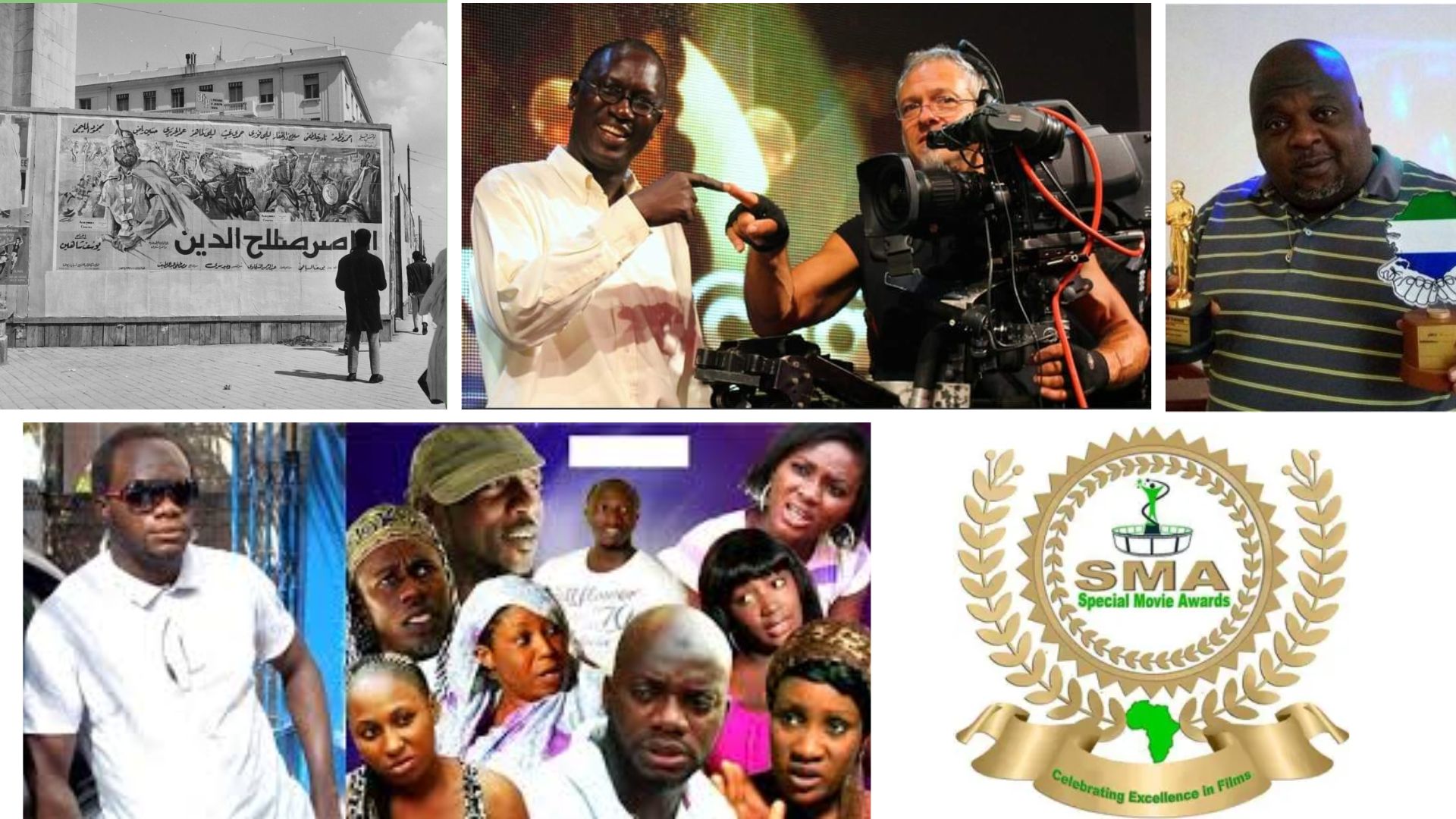
Gambia Film Industry
The Gambia Film Unit, established in 1967, played a significant role in the development of the
country's film industry. Led by visionary individuals like Ebrima Sagnia, the unit produced
short films on various topics and showed them to people in remote parts of The Gambia. Despite
initial challenges such as a lack of equipment and trained personnel, the unit persevered and
sought assistance from organizations like Oxfam and the UN Development Programme to expand its
capabilities.
Under Sagnia's leadership, the unit underwent significant growth and development. Training
programs were established, and technical facilities, including a black and white film
laboratory, were provided. The unit's work became instrumental in conveying important messages
to the Gambian population, covering topics ranging from health and nutrition to significant
events like the 1978 state visit of the President of Nigeria.
Gambia Economy
The Gambian economy experienced accelerated growth, reaching 5.3% in 2023, primarily driven by
the agriculture and industry sectors. Favourable rainfall and increased fertilizer subsidies
bolstered agricultural output, while private and public investment, supported by remittance
inflows, fueled growth in industry. However, despite increased tourism activity, the services
sector decelerated due to contractions in subsectors such as information and communication, and
entertainment.
Despite the fiscal deficit halving to 2.6% of GDP in 2023, driven by increased tax revenues and
grants, public expenditure remained high, particularly in investment spending on road
infrastructure. As a result, public debt declined to 75.8% of GDP.
Textile and Garment Industry, Mining, Telecommunications
Tourism, Financial Services, Manufacturing, Agriculture, Renewable Energy.